Choosing the right concrete block machine is one of the most important decisions when starting or upgrading a concrete block manufacturing business. The right equipment affects production capacity, product quality, labor requirements, operating costs and long-term profitability.
However, selecting a concrete block making machine is not simply about choosing the model with the highest output. Customers need to consider several factors, including target production capacity, product specifications, automation level, investment budget, factory space and future expansion plans.
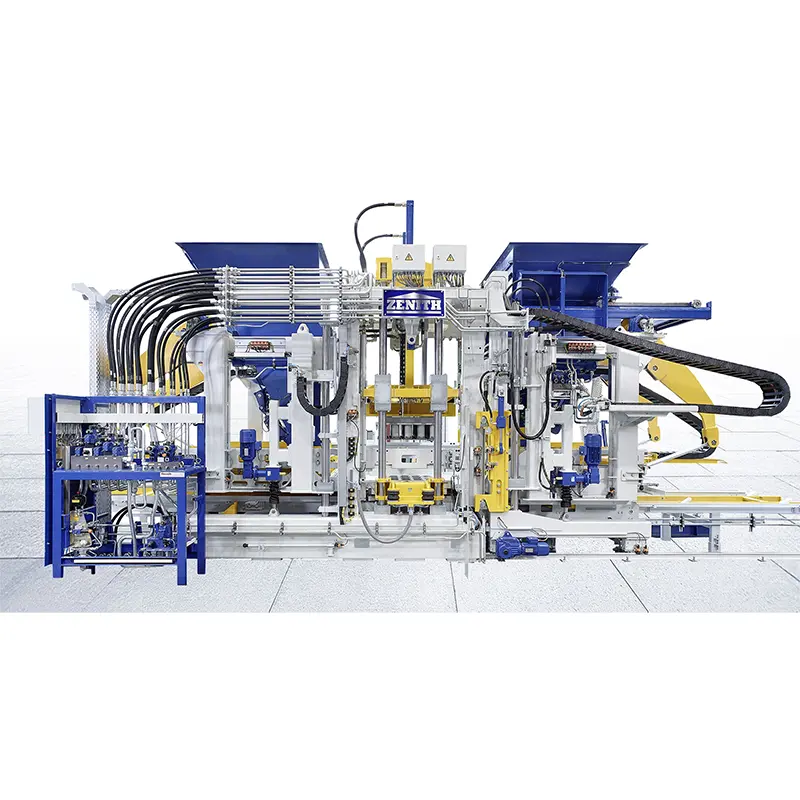
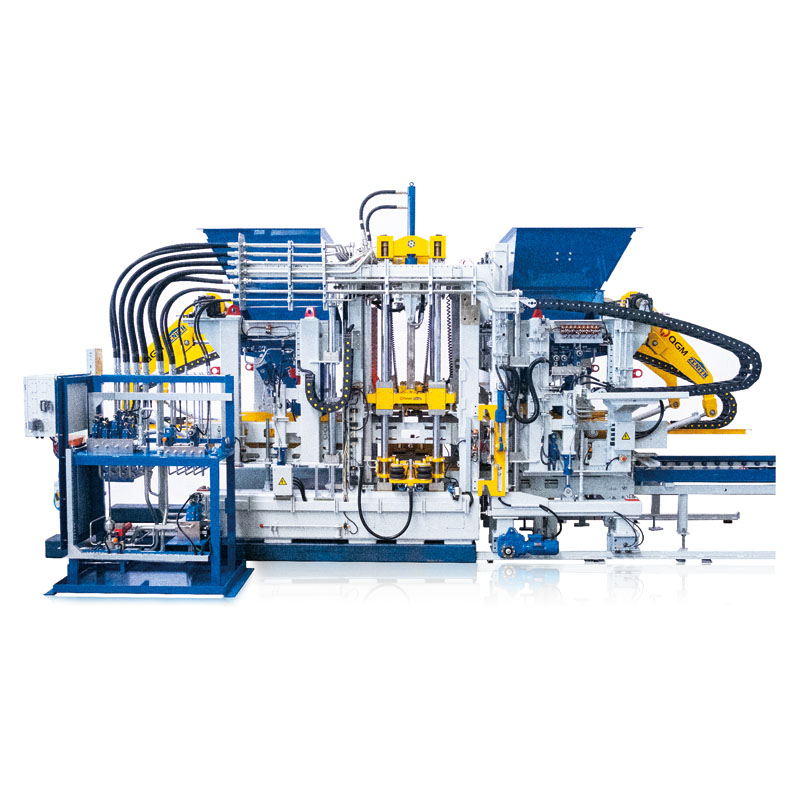
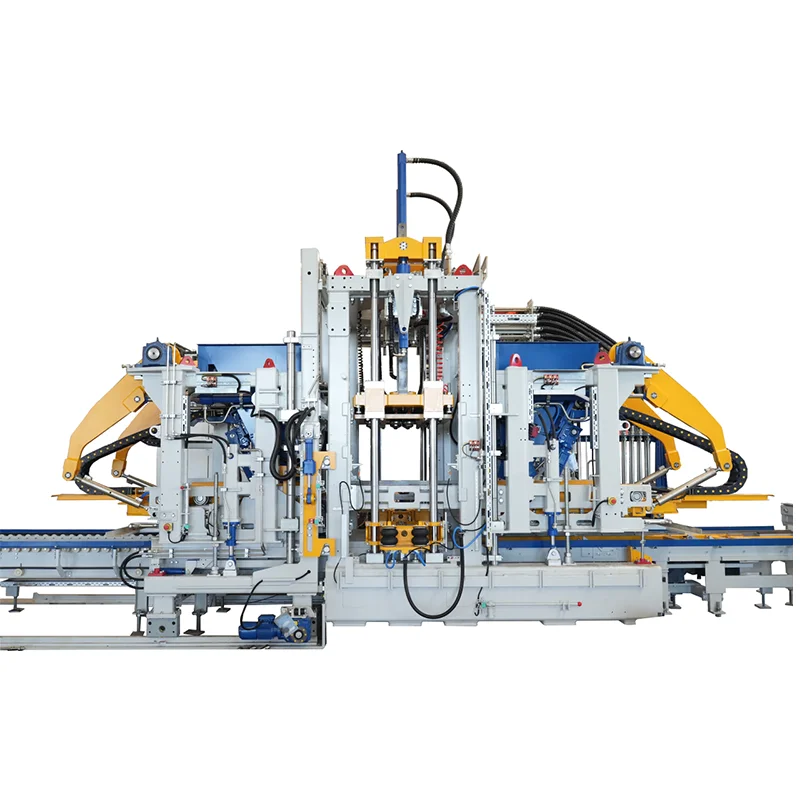
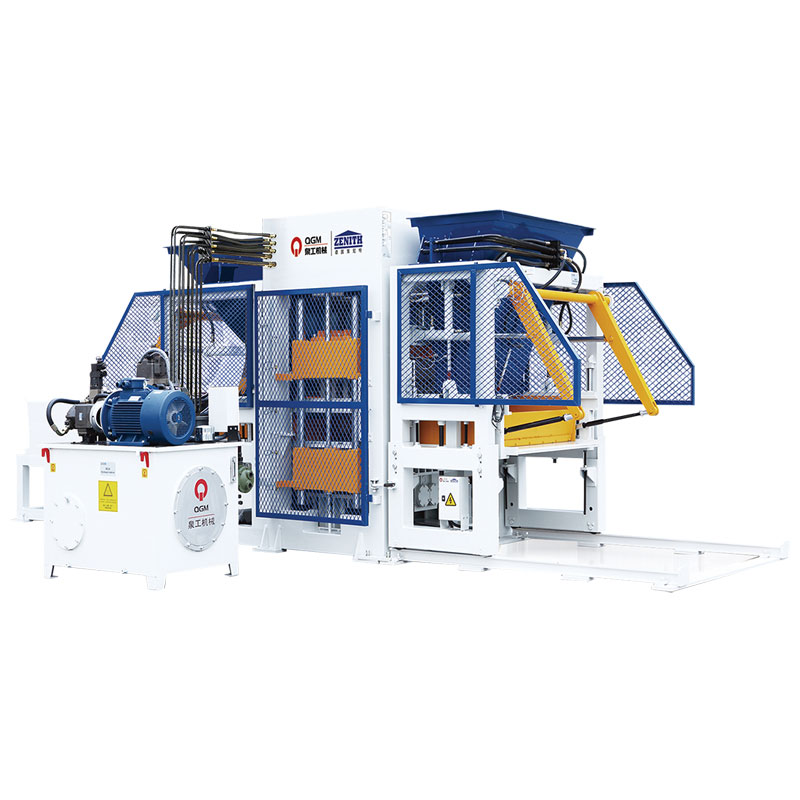
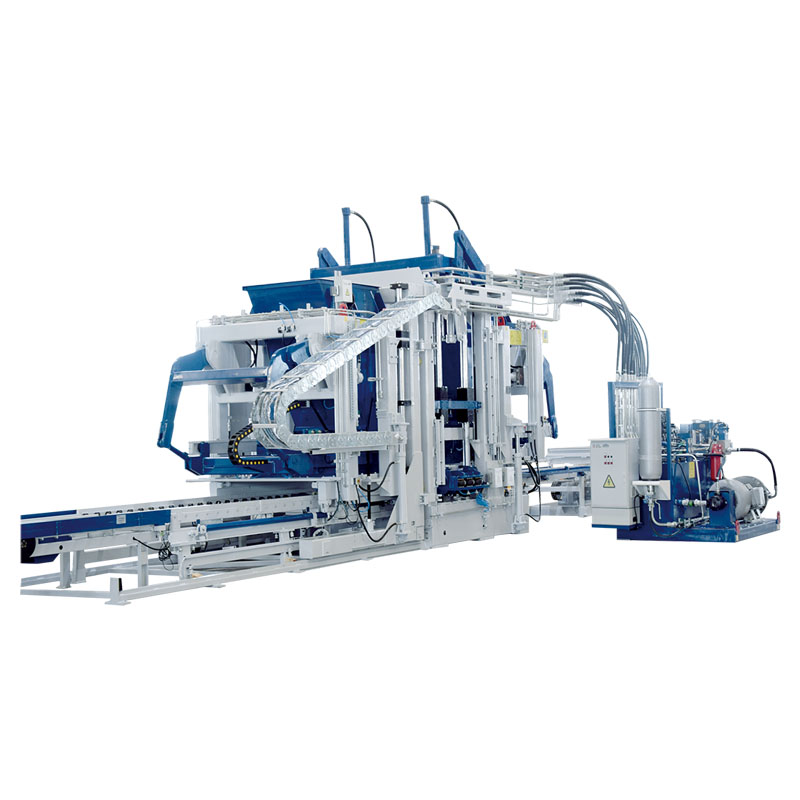
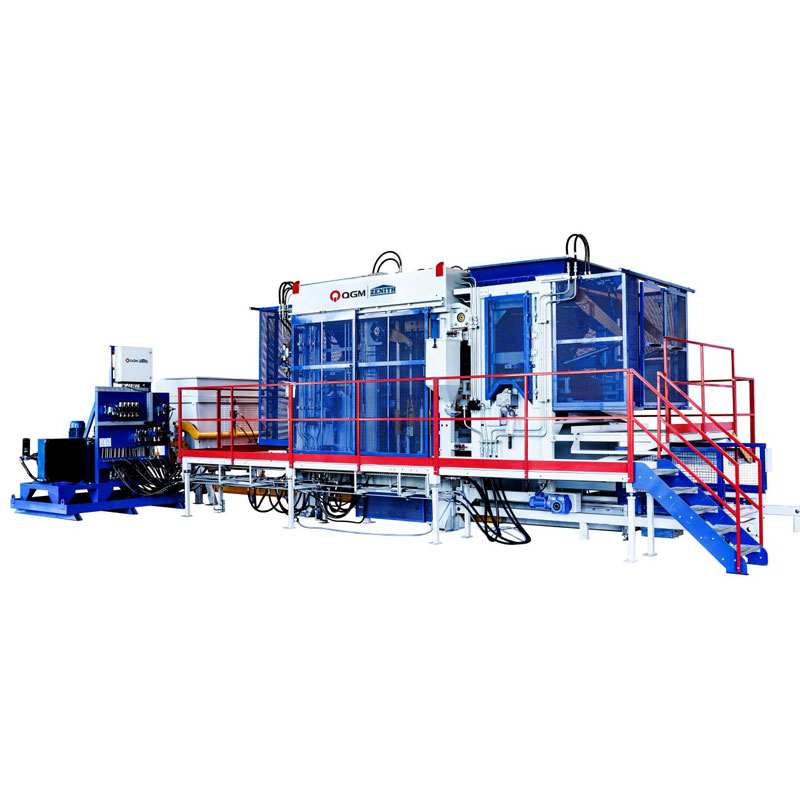
For manufacturers looking for advanced and reliable production equipment, the QGM ZN1500-2 high-end concrete block machine provides an example of how modern forming technology, intelligent control and flexible production capabilities can support industrial-scale concrete product manufacturing.
This guide explains what to consider when choosing a concrete block machine and how to evaluate whether a high-end production solution is suitable for your project.
Production capacity should be one of the first considerations when selecting a concrete block machine. Before comparing equipment models, manufacturers should estimate how many concrete products they need to produce per day, per shift or per year.
Consider the following questions:
What is your expected daily production target?
How many hours will the factory operate each day?
Will production run in one shift or multiple shifts?
Which products will account for the largest share of production?
Do you need additional capacity during peak demand?
Different products require different molds and production cycles. A machine's output for hollow blocks may differ significantly from its output for paving blocks or curbstones.
The QGM ZN1500-2 is designed for industrial concrete product manufacturing. According to its published product data, its reference production capacity over eight hours includes:
Hollow blocks (400 × 200 × 200 mm): 24,000–30,600 pieces
Paving blocks with facemix (200 × 100 × 60 mm): 1,762–2,175 m²
Interlocking pavers (225 × 112.5 × 60 mm): 1,620–2,100 m²
Curbstones (1,000 × 150 × 300 mm): 6,000–7,350 pieces
These figures provide a useful reference when evaluating production requirements. Actual output depends on product design, mold configuration, raw materials, production cycle, operating conditions and the overall production line setup.
Rather than choosing a machine based only on its maximum theoretical output, manufacturers should calculate their expected output of qualified finished products and allow sufficient capacity for maintenance, mold changes and production interruptions.
The products you plan to manufacture directly influence the type of concrete block machine and mold configuration you need.
Common concrete products include:
Hollow concrete blocks
Solid concrete blocks
Concrete paving blocks
Interlocking pavers
Curbstones
Other standard and customized concrete products
Before purchasing equipment, consider the dimensions, product height, shape, surface finish and production requirements of each product.
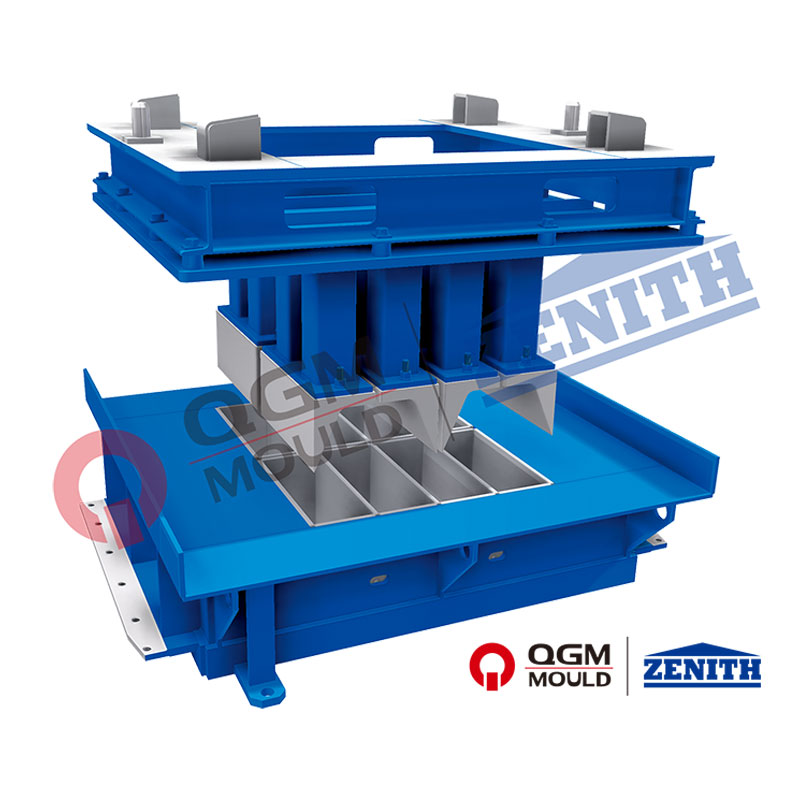
For example, manufacturers producing both hollow blocks and paving stones may require different molds and production configurations. Colored or decorative paving products may also require a facemix system or additional surface-processing equipment, depending on the desired finish.
The QGM ZN1500-2 is designed to produce a wide range of standard concrete products. Its published product information specifies a product height range of 40–500 mm and a standard pallet size of 1,400 × 1,100–1,200 mm.https://www.cnqgm.com/zn1500-2-automatic-concrete-block-machine.html
Its quick mold changing system is another important feature. The machine uses a 3-ton-capacity crane for mold changing, and the manufacturer states that mold changes can be completed within approximately 15 minutes under the specified operating conditions.
This flexibility is valuable for manufacturers who need to switch between different product types and respond to changing market demand.
When evaluating a concrete block machine, make sure the equipment can accommodate your current product specifications and the molds you may need in the future.
Automation is an important factor in modern concrete block manufacturing. The appropriate automation level depends on production targets, labor availability, product consistency requirements and the factory's operating strategy.
A production line may include several automated processes:
Raw material batching and mixing
Concrete feeding and block forming
Wet product conveying
Product stacking and handling
Curing and finished product handling
Production monitoring and control
A higher level of automation can reduce repetitive manual operations and improve coordination between production stages. However, it also requires more careful planning of equipment configuration, factory layout, maintenance and operator training.
The QGM ZN1500-2 incorporates several advanced technologies designed to support intelligent and automated production.
Servo Vibration System
Its Ultra Dynamic Vibration System uses SEW servo technology to provide dynamic vibration control and adjustable vibration parameters. This technology supports the compaction process and helps manufacturers manage different product requirements.
Intelligent Control and Automatic Diagnosis
The machine uses a Siemens S7-1500 control system and a mobile touch panel. Its visualization interface allows operators to monitor and control machine processes. The automatic diagnosis system also helps operators identify equipment conditions and troubleshoot potential issues.
Quick Mold Changing System
The quick mold changing system is designed to simplify product changeovers and support flexible production scheduling.
When selecting an automatic concrete block machine, manufacturers should evaluate not only the automation of the forming machine but also how well it integrates with the complete production line.
The purchase price of a concrete block machine is only one part of the total investment.
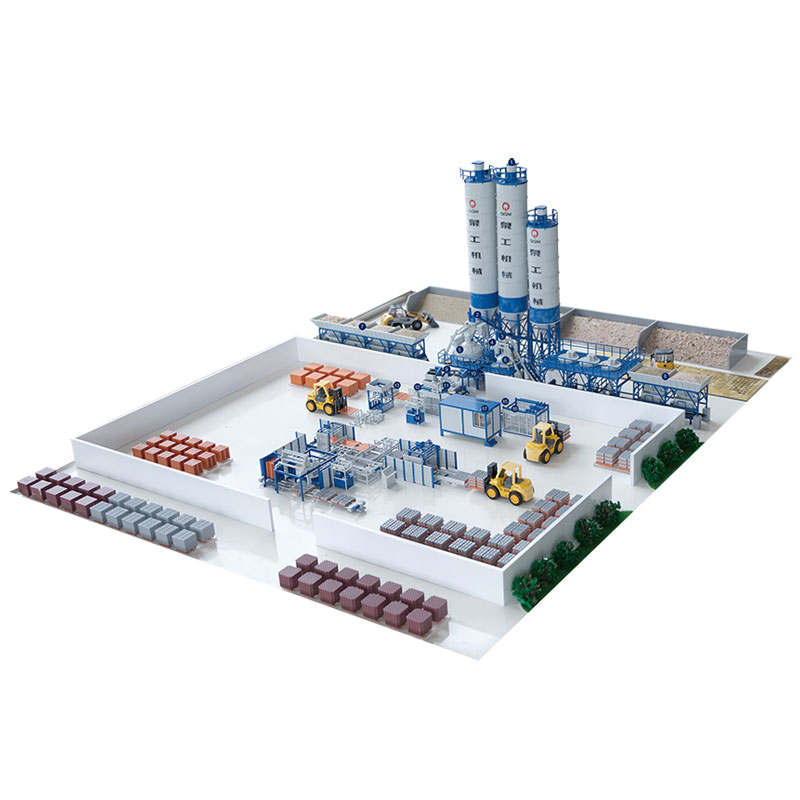
A complete concrete block manufacturing project may involve:
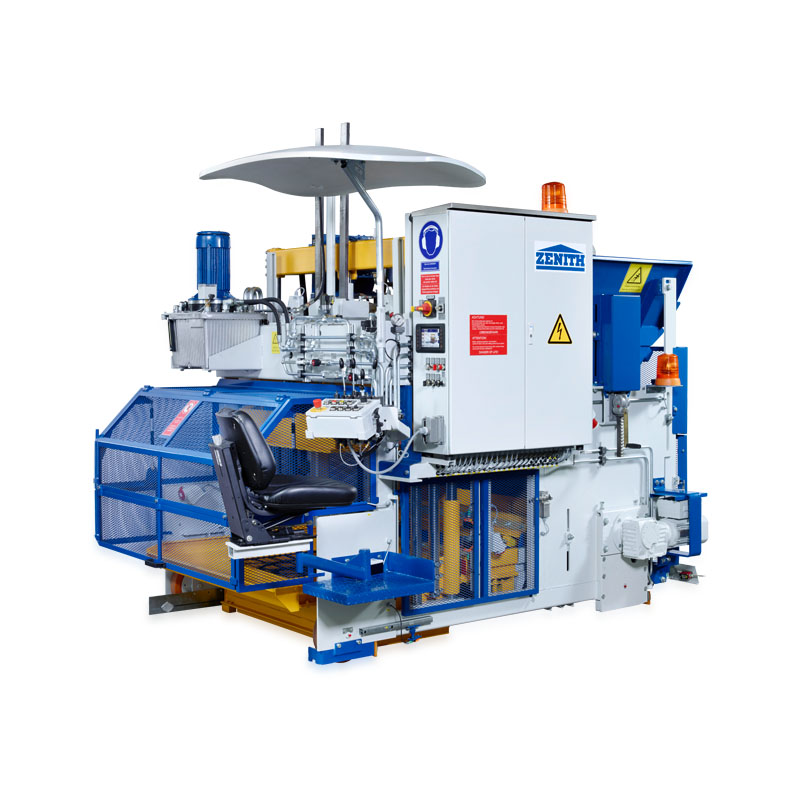
Main block making machine
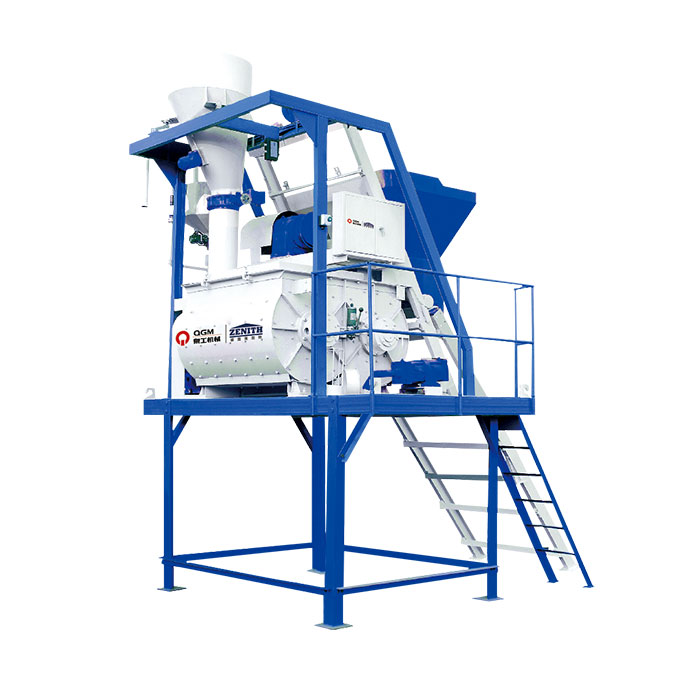
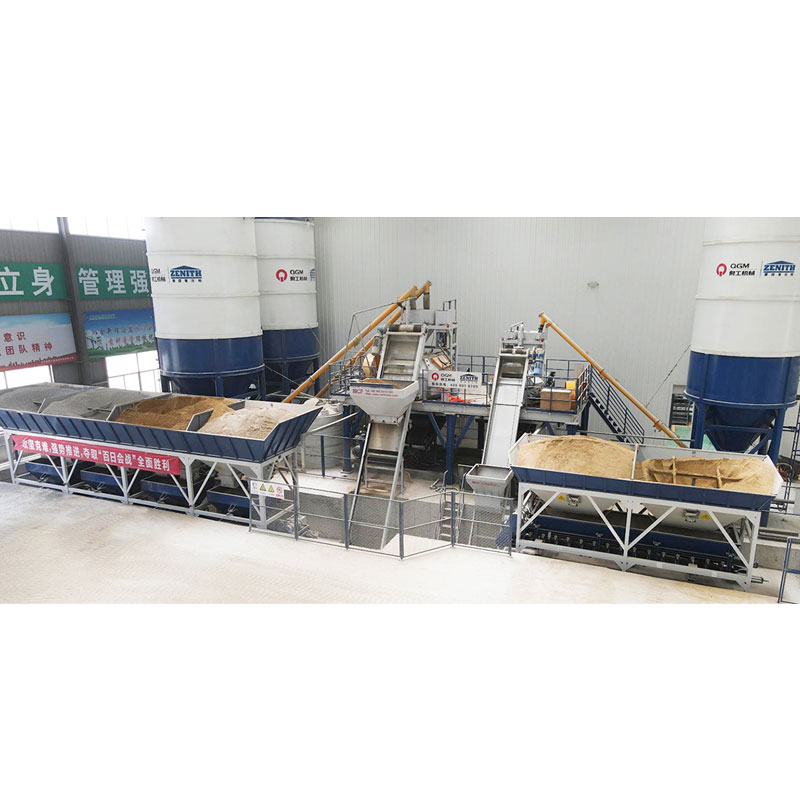
Concrete batching and mixing system
Molds and pallets
Wet product conveying and stacking equipment
Curing system
Finished product handling equipment
Electrical and hydraulic installation
Factory construction and infrastructure
Installation, commissioning and operator training
The actual investment depends on production capacity, automation level, product range, local construction costs and project requirements.
When comparing suppliers, manufacturers should look beyond the initial equipment price. Consider equipment reliability, maintenance requirements, spare parts availability, technical support and the expected operating costs throughout the machine's service life.
The QGM ZN1500-2 is positioned as a high-end production machine with servo vibration technology, intelligent control, a quick mold changing system and a robust bolted machine frame.
For manufacturers planning long-term industrial production, these technical features should be evaluated together with the complete production line configuration and total project investment.
A well-planned investment should match the factory's actual production goals without creating unnecessary equipment capacity or leaving important production stages under-equipped.
Factory space is another essential consideration when selecting a concrete block production line.
The main machine is only one part of the overall layout. Manufacturers also need to allocate space for raw material storage, batching and mixing, product conveying, curing, finished product storage and vehicle access.
Before finalizing equipment selection, evaluate:
Available factory floor area
Building height and structural conditions
Material storage and transportation routes
Electrical power supply
Water supply and drainage
Foundation and equipment installation requirements
Space for maintenance and mold changing
Areas reserved for future expansion
The ZN1500-2 has a standard pallet size of 1,400 × 1,100–1,200 mm and supports products with heights ranging from 40 to 500 mm. Its main machine dimensions and the space required for auxiliary equipment should be considered during factory layout planning.
For a complete production line, the required installation area will be larger than the footprint of the main machine. The layout should also provide sufficient room for operators, maintenance activities and material handling.
QGM can work with customers to evaluate production requirements and discuss suitable equipment configurations and plant layouts.
A concrete block manufacturing business may begin with a specific product range and production target, but market demand can change over time.
A machine selected only for current requirements may limit future development if the factory plans to:
Increase daily production capacity
Add new concrete product types
Introduce colored or decorative paving products
Improve production automation
Upgrade material handling and curing systems
Expand into new regional markets
When choosing a concrete block machine, consider whether the equipment can support additional molds, different product configurations and integration with future production line upgrades.
The ZN1500-2 is designed for manufacturing a wide range of standard concrete products. Its quick mold changing system and intelligent control technologies provide useful flexibility for manufacturers managing multiple product types.
Future expansion should also be considered at the plant level. Reserving space for additional equipment, planning utility capacity and selecting compatible production systems can help reduce the cost and complexity of later upgrades.
After evaluating production capacity, product specifications, automation, investment, factory space and future expansion, manufacturers can compare equipment models based on their actual project requirements.
The QGM ZN1500-2 is a high-end single-pallet concrete block machine developed by Germany Zenith. It is designed for the production of a wide range of standard concrete products and combines advanced forming technology with intelligent control and flexible production features.https://www.cnqgm.com/zn1500-2-automatic-concrete-block-machine.html
Its key features include:
Ultra Dynamic Vibration System: SEW servo technology supports dynamic vibration control and adjustable forming parameters.
Intelligent Control System: Siemens S7-1500 control technology and a mobile touch panel support machine operation and process monitoring.
Automatic Diagnosis: Integrated diagnostic functions help operators monitor machine conditions.
Quick Mold Changing: The system is designed to complete mold changes within approximately 15 minutes under specified conditions.
Robust Machine Frame: Its bolted frame design supports structural stability and maintenance.
Flexible Product Manufacturing: The machine can produce different standard concrete products with suitable molds and configurations.
Intelligent Cloud Service: QGM's cloud service platform supports remote monitoring, equipment data collection, fault diagnosis and online maintenance services.
For manufacturers seeking a high-end concrete block making machine, the ZN1500-2 offers a production solution worth evaluating based on product requirements, factory conditions and long-term business plans.
There is no single concrete block machine that is ideal for every manufacturer. The right choice depends on the relationship between production targets, product specifications, automation requirements, investment budget, factory conditions and future development plans.
Before making a purchase decision, prepare a clear project plan covering:
Expected daily and annual production capacity.
Main concrete products and their dimensions.
Required automation level and labor arrangements.
Total project investment and operating budget.
Factory dimensions, utilities and installation conditions.
Future product development and expansion plans.
Working with an experienced block machine manufacturer can help you evaluate these factors and develop a production line configuration that matches your project.
Looking for the Right Concrete Block Making Machine?
QGM provides concrete block manufacturing equipment and production line solutions for customers worldwide. Contact our team to discuss your product specifications, production targets and factory conditions.
Ask about the QGM ZN1500-2 and get professional support in planning a concrete block production solution for your business.
Contact QGM today to discuss your project and request a production line proposal.